Cricket Guard: Complete Types of guard, Importance, and Player Safety
Cricket Guard: Types, Why It Matters, and How It Protects Players
If there’s one piece of cricket gear you should never treat as “optional,” it’s the cricket guard. Over time, the sport has undergone significant change. Bowlers are faster, batters hit harder, and fielding positions are closer than ever. But one thing hasn’t changed: a cricket ball can cause serious damage if it strikes the groin area.
That’s exactly why the cricket guard (also called an abdominal guard or box) is considered the most essential safety item in the game. Whether you’re a beginner playing tennis-ball cricket or an experienced player facing proper pace, a good guard protects you from injuries that can be painful, dangerous, and sometimes life-changing.
What Is a Cricket Guard in Cricket?
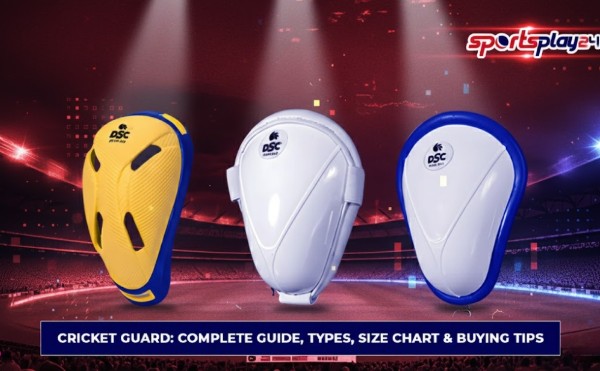
A cricket guard is a protective shell worn over the groin area to shield the body from direct ball impact. You’ll often hear it called a cricket box, groin guard, or abdominal protector.
Its job is simple but extremely important: it spreads and absorbs the force of a fast-moving ball, protecting the most sensitive area. A guard is usually worn inside a special pouch built into compression shorts or a jockstrap, which keeps it stable while running, batting, keeping, or fielding.
Types of Cricket Guard Used by Players
Cricket guards are not “one size fits all.” Different players need different shapes, sizes, and coverage depending on age, body type, and level of play.
Male Cricket Guard
The standard men’s cricket guard has a deep cup design. It’s shaped to fit securely and give strong protection without restricting movement. Most modern versions also come with soft edges, usually gel or foam-lined, so the hard plastic doesn’t cut into the skin during long innings.
Female Cricket Guard
The women’s version is often known as a pelvic protector. Instead of a deep cup, it usually has a flatter and wider shape. The design focuses on protecting the pelvic bone area and offering safer coverage for women’s cricket, which has grown rapidly in both participation and competitive intensity.
Junior Cricket Guard
For young players, comfort is the biggest challenge. Junior guards are smaller, lighter, and shaped for kids, so they don’t feel bulky. Many youth guards also have softer edges, which help children adjust to wearing protective equipment early, rather than avoiding it due to discomfort.
Professional Cricket Guard
At higher levels, players often choose guards made from advanced materials such as high-density thermoplastics or composite blends.Maximum protection at the lowest possible weight is the aim. When bowlers are regularly hitting 130–150 km/h, even a small difference in quality can matter.
Which Players Need a Cricket Guard in Cricket?
The cricket guard is important for more than just batters. Several roles in the game face serious risk from fast balls and sudden deflections, which is why wearing a guard is a smart safety habit.
- Batsmen: Batters face the most danger, especially against fast bowlers. A cricket abdominal guard protects them from direct hits, making it a must-have part of proper batting equipment.
- Wicketkeepers: Keepers stand close to the stumps and deal with high-speed deliveries and sharp edges. A cricket groin guard helps protect them from unexpected deflections and sudden impact.
- Close Fielders: Players at short leg, silly point, and other close-in positions are also at risk. Quick deflections can reach them instantly, so a cricket guard is strongly recommended for safety.
How to Choose the Best Cricket Guard
Selecting the best cricket guard is not just about choosing the toughest-looking shell. The right guard should offer strong protection while still allowing comfortable movement.
- Material: Choose a guard made from high-impact ABS plastic or carbon fibre. Stronger and stiffer materials provide better protection by deflecting the ball’s impact more effectively.
- Padding: Ensure the guard has soft foam or gel padding along the edges. This improves comfort, prevents skin irritation, and reduces the impact of shock.
- Ventilation: Look for guards with small air holes or vents. These help with airflow and keep you cooler during long innings, especially in hot conditions.
- Fit: The guard should fully cover the sensitive area, leaving no gaps. If it moves around while running or playing shots, it’s either the wrong size or you need better support, like compression shorts.
Cricket Guard Size Guide Table
Choosing the right size is essential for both comfort and security. A guard that’s too small won’t cover properly, and a guard that’s too large will move around.
| Age Group | Guard Size | Recommended Use |
| 5–9 Years | Extra Small / Kids | Beginners and soft-ball cricket |
| 10–13 Years | Small / Junior | Junior club level and hard-ball entry |
| 14–16 Years | Medium / Youth | High school and academy level |
| 17+ Years | Large / Mens | Senior club and professional play |
| Professional | Pro/Large | High-velocity fast bowling environments |
How to Wear a Cricket Guard Properly
Knowing how to wear a cricket guard properly is just as important as having one. If the guard moves during play, it can leave you unprotected at the worst moment.
- Layering: Start with a base layer, such as moisture-wicking underwear or compression shorts, for better comfort and sweat control.
- The Pouch: Use cricket-specific underwear or a jockstrap that has a built-in pouch. Insert the guard into the pouch with the narrower end facing downward.
- Positioning: Ensure the guard sits in the centre and stays close to your body. It should feel secure, not loose or hanging.
- Testing: Walk, run a few steps, and do a squat. If the guard stays firmly in place, you’re set and ready to play.
Best Cricket Guard Brands Used by Professional Players
To get the best cricket safety equipment, it’s smart to choose brands trusted by professional players. These companies spend heavily on research and design to create guards that offer stronger protection, better comfort, and improved fit.
- Kookaburra: Popular for their comfortable ergonomic shape and strong Pro-level guards built for serious cricket.
- Grey-Nicolls: Well-known for premium quality guards, especially models with gel-lined edges for extra comfort.
- SG (Sanspareils Greenlands): A top choice in the Indian subcontinent, offering reliable protection for beginners to advanced players.
- SS (Sareen Sports): Trusted by many international players for guards that are lightweight but still extremely tough and durable.
Conclusion
Cricket is a game of skill, timing, and courage, but it should never be a game of unnecessary risk. A cricket guard is the one piece of protective equipment that directly prevents some of the most serious injuries in the sport.
Whether you play casually on weekends or competitively in leagues, choosing a high-quality guard and wearing it properly gives you confidence at the crease and safety on the field. And in a sport where the ball can reach extreme speeds, that protection is worth every bit of investment.
FAQ’s
What is a Cricket Guard?
Wearing a cricket guard shields the groin area from the impact of the ball. It is also called an abdominal guard or box guard and is an essential part of cricket safety equipment.
Why is a Cricket Guard important?
A cricket guard protects players from serious injuries caused by fast bowling, deflections, or unexpected edges. It absorbs impact, helping players stay safe and confident.
Who should wear a Cricket Guard?
Batsmen, wicketkeepers, and close fielders should wear a cricket guard. These roles face the highest risk of injury from fastballs and unpredictable deflections.
How to choose the right Cricket Guard?
Choose a guard based on proper sizing, strong materials, comfortable lining, and a secure fit. A properly fitted guard stays stable and provides complete protection.
How to wear a Cricket Guard properly?
Wear the guard with a built-in pouch on a jockstrap or inside compression shorts. Keep it centred, snug, and stable so it doesn’t shift while running or playing shots.
- Read more:
- New Zealand National Cricket Team vs Sri Lanka National Cricket Team Timeline: Complete History, Records & 2026 Series Update
- Pakistan National Cricket Team vs Zimbabwe National Cricket Team Timeline: Complete History, Records & Recent Series Analysis
- Zimbabwe National Cricket Team vs Afghanistan National Cricket Team Timeline: Records, Rivalry Growth & Modern Era Battles